
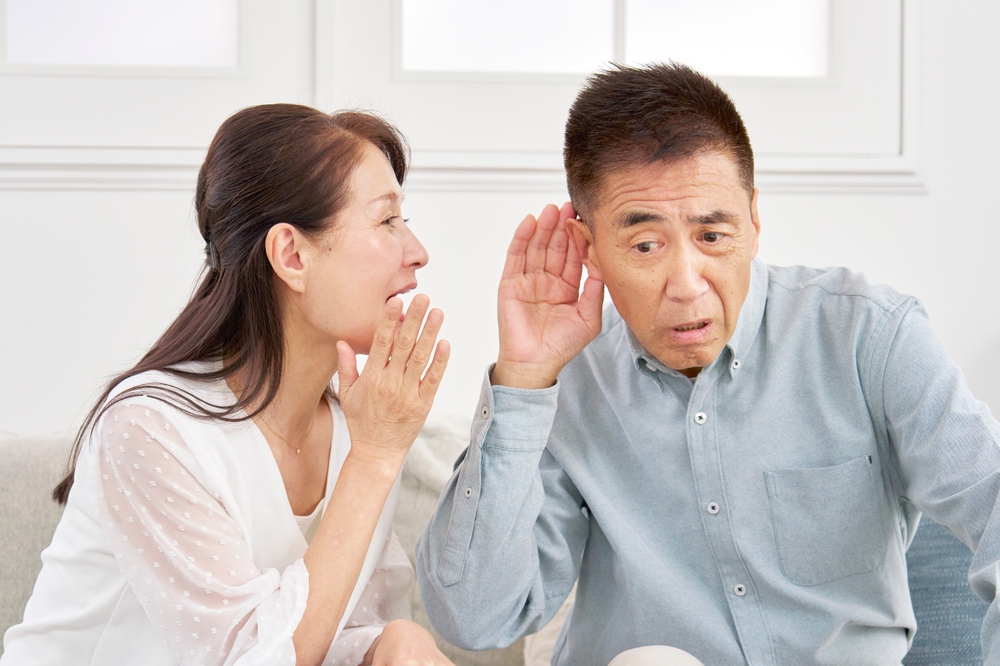
Prevalent myths regarding hearing loss frequently act as a barrier to necessary audiological treatment. And with hearing loss, getting the right care at the right time is critical. Believing common hearing loss myths can delay diagnosis, impact communication, and reduce your overall quality of life.
If you have concerns about your hearing, knowing the truth (and the myths!) can help you make informed decisions about your health and proceed with greater confidence. The following analysis deconstructs seven common hearing fallacies using modern audiological data.
The Fallacy of Senior-Only Hearing Loss
While sensory shifts are frequent in seniors, hearing loss remains a cross-generational health concern. Factors such as acoustic trauma, genetic markers, ototoxic drugs, and viral infections trigger hearing issues in youth.
Assuming hearing loss is only an “aging issue” can prevent people from recognizing early symptoms and seeking appropriate care.
Myth Two: Auditory Awareness Equals Perfect Hearing
An individual can suffer from hearing loss without experiencing a complete loss of sound. In fact, many people with mild or moderate hearing loss can still hear sounds, but they struggle to understand speech clearly. A broad range of auditory dysfunctions exists between asymptomatic hearing and complete deafness.
Early symptoms frequently manifest as “cocktail party effect” struggles or a need for constant clarification from speakers. Failing to address these subtle changes can lead to long-term communicative difficulties.
Myth: Auditory Decline is a Low-Stakes Issue
The ramifications of unmanaged hearing loss extend far beyond simple conversational struggles. Research has linked unmanaged hearing loss to social withdrawal, increased stress, cognitive strain, and even a higher risk of depression.
Managing your hearing health is a critical step in preserving your holistic quality of life.
4. Myth: Hearing Aids Make Your Hearing Worse
There is no clinical evidence to suggest that proper use of hearing aids speeds up auditory decline.
Hearing aids do not damage your ears. These devices use precision digital processing to target frequencies identified in your hearing test. Consistent use of hearing aids maintains the neural pathways required for clear sound interpretation.
Myth: All Hearing Aids are Bulky and Noticeable
The landscape of audiological hardware has undergone a radical digital transformation. Modern hardware has reached a peak of efficiency, offering discrete aesthetics with high-fidelity sound. Sleek “Behind-the-Ear” and “In-the-Ear” designs ensure that modern hearing help is virtually undetectable.
These devices provide high-tech solutions like automatic environment sensing and hands-free calling functionality.
Why Even Mild Hearing Impairment Requires Attention
A “mild” diagnosis still carries the risk of social isolation and increased mental effort. Early treatment helps prevent listening fatigue and reduces the strain placed on the brain during conversations.
Patients who pursue early help experience a much smoother transition to using hearing technology.
Myth: One-Size-Fits-All Hearing Solutions Work for Everyone
While some over-the-counter hearing devices may provide basic amplification, they are not customized to your specific hearing profile. A clinical hearing test allows an expert to program a solution specific to your biological requirements.
Individualized care ensures your device feels natural while providing crystal-clear sound quality.
Don’t Let Hearing Loss Myths Hold You Back
Feeling anxious about hearing changes is normal, but avoidance only exacerbates the underlying problem. Auditory fallacies act as roadblocks to the treatment that could change your life today. A professional assessment is an easy, stress-free way to gain total clarity on your ear health.
If you’ve noticed changes in your hearing (even subtle ones), a professional assessment is an important first step. Seeking help sooner rather than later preserves both your social life and your neurological sharpness.
For more information or to book your next hearing test, please contact our clinic today. Our team is available for appointments: Call us today to protect your hearing.