
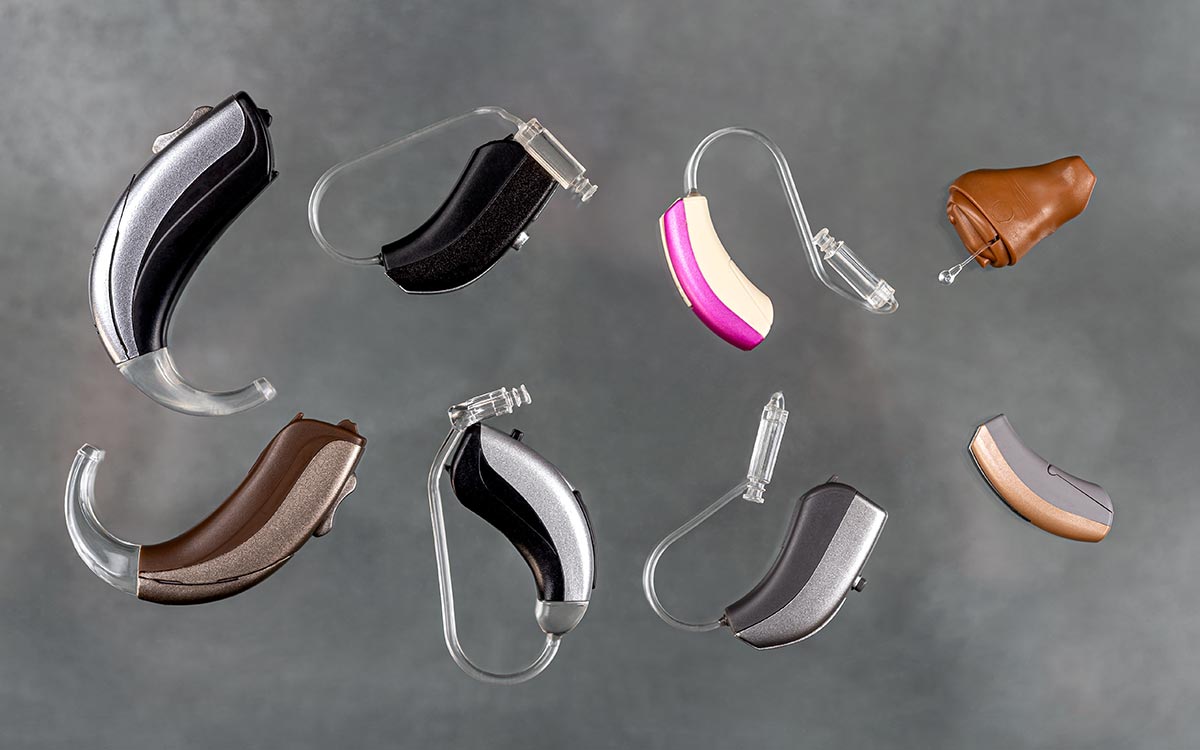
The total volume of hearing aid designs and technology levels on the market today can make the selection process feel complicated. Fortunately, there is an ideal hearing solution for every individual, regardless of their lifestyle or the severity of their hearing loss. It’s all about discovering which model aligns perfectly with your specific requirements.
Understanding the differences among the most popular types of hearing aids can help you feel more informed and confident as you explore your options. Today, we’re breaking down the different hearing aid styles and what makes each one unique.
ITC (In-the-Canal) Hearing Systems
Basic Summary:
These hearing aids are positioned partially inside the canal, making them visible only slightly from the outside.
Common Advantages:
- Offers an improved profile than bulkier behind-the-ear units
- Specifically shaped to the user’s ear for a better fit
- Suitable for mild to medium hearing loss
These devices are commonly suggested for novices due to their effective mix of subtle design and user-friendly functions.
Ultra-Discreet Invisible-in-Canal (IIC) Aids
What they are:
IIC hearing aids are the smallest custom design available. They sit deeply inside the ear canal and are virtually invisible when worn.
Primary Incentives:
- Highest degree of discretion for the wearer
- Strategic placement enables an incredibly organic listening experience
- Designed for comfort with a highly small footprint
IIC devices are mainly aimed at those with moderate hearing needs who want their technology to remain completely unnoticed.
ITE (In-the-Ear) Model Overview
Product Information:
ITE devices are constructed to stay in the outer ear area, offering two different shell sizes based on your anatomy. Every device is specifically customized to match your ear’s unique shape.
Why people choose them:
- An appreciably larger casing houses advanced tech and more powerful batteries
- Ideal for individuals who find smaller devices difficult to manipulate
- Suitable for mild to severe hearing loss
Many people prefer ITE devices because they offer a streamlined, self-contained design that doesn’t hook over the ear.
Behind-the-Ear (BTE) Hearing Aids
What they are:
Placed firmly on the back of the ear, BTE models sit on the outer ridge. Audio moves into the ear canal through an internal tube or custom earmold.
Common Motivations:
- Known for being exceptionally adaptable and robust
- Work for almost all degrees of hearing loss
- Big enough to house sophisticated software and modern rechargeable technology
The combination of ease of use and strong sound makes BTE aids a top contender for many patients.
RIC (Receiver-in-Canal) Summary
What they represent:
RIC hearing aids appear similar to BTE models, but the speaker (receiver) sits inside the ear canal rather than inside the device behind the ear.
Why they are favored:
- Minimizes the “plugged up” feeling for more pure hearing
- Compact, lightweight, and comfortable
- An adaptable solution that works for various degrees of auditory needs
Thanks to their ease and visual appeal, RIC devices have become an industry standard.
Long-Term “Set and Forget” Devices
Overview:
Extended-wear models are fixed units that a professional fits into the ear for an interval of several weeks.
User Motivations:
- Eliminates the need to place in or take out the device every day
- Sitting deep in the canal makes them completely hidden from view
- Built to withstand the rigors of sleep, exercise, and showering without being removed
If you prefer an auditory solution that requires zero daily thought, the extended-wear style is perfect.
Smart Hearing Aids with Bluetooth
Functionality:
Connectivity-focused hearing aids that utilize radio to integrate with your digital life.
Modern Perks:
- Send calls, music, and audio straight to the hearing aids
- Gives you the ability to fine-tune your volume and programs via a smartphone app
- Provides the ultimate in ease for those who use smartphones regularly
This wireless technology is found in many modern behind-the-ear and in-the-canal models.
Surgically Implanted Middle-Ear Solutions
Technical Description:
This technology involves an operative procedure to place a device that physically stimulates the bones of the middle ear.
Medical Motivations:
- Option for those who cannot use traditional hearing aids
- Solves the problem of ear discomfort caused by regular hearing aids
Candidates for middle-ear implants should undergo a comprehensive evaluation by a hearing specialist.
Choosing the Right Style for You
Selecting an instrument is a personal journey that takes into account your hearing severity, lifestyle habits, and visual preferences. An expert can offer the support needed to test out different styles and find the one that fits your life perfectly.
Start traveling toward an environment of superior sound by arranging a consultation with a hearing specialist for hearing loss or tinnitus. This simple action is the foundation for improved hearing and better connections with those around you.
Sources:
https://www.mayoclinic.org/diseases-conditions/hearing-loss/in-depth/hearing-aids/art-
20044116
https://www.hearinglife.com/hearing-aids/types
https://www.nidcd.nih.gov/health/hearing-aids