
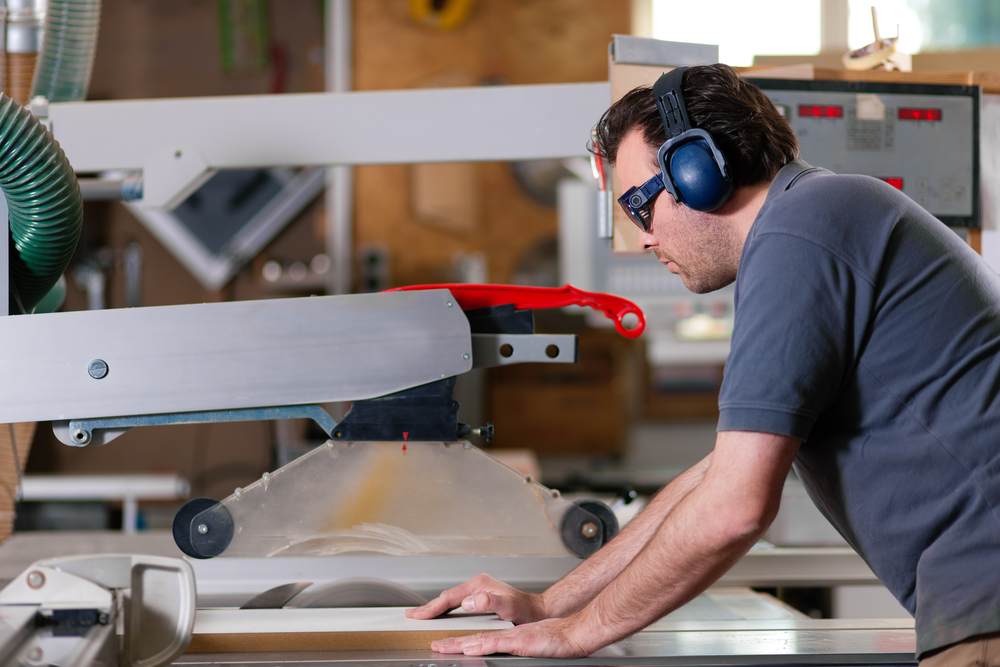
Your hearing health can be drastically affected by sustained noise exposure, especially in environments where noise intensity is greater than safe limits. You must safeguard your ears; this is crucial for not just preventing hearing loss—it also helps you maintain focus despite noisy conditions. What is the best way to choose the degree of hearing protection that is right for you?
Interpreting noise intensity and its consequences
Noise damage relies not only on the volume of the sound but also on how long you are exposed to it. dB’s are the critical measurement unit for noise, measuring the intensity of sound. When sound levels hit 85 dB or higher, they can start to injure your hearing, particularly with extended exposure.
To provide a comparison, 85 dB is similar to the sound of urban traffic when experienced from inside a vehicle. While this may not seem too loud, non-stop exposure for eight hours can start to damage your hearing. As the sound increases in volume, the duration of time you can be exposed safely decreases:
- Damage can result with up to 4 hours of exposure at 90 dB (Lawnmower).
- Exposure to 100 dB (Power tools) must be restricted to a maximum of 60 minutes.
- 110 dB (Leaf blower): Just 15 minutes of exposure can cause damage.
- Even momentary exposure to 120 dB (e.g., a Rock concert) is enough to cause hearing damage.
- A sound level of 140 dB (Jet engine) can cause instant pain and damage.
How to detect unsafe noise settings
It is paramount to use hearing protection if your regular exposure is to noise levels exceeding 85 dB. The requirement for protection is stronger in work settings, including factories and construction, or in any location where engines, equipment, or devices create excessive noise.
You can encounter unsafe noise levels even in recreational hobbies—such as attending shows, utilizing leaf blowers, or shooting sports—making hearing protection helpful outside of a job setting.
Selecting hearing protection: Noise Reduction Ratings
The Noise Reduction Rating (NRR) is the standard metric used to assess how well hearing protection functions. Given in decibels, this figure shows the degree of sound blockage the protective device is able to block. A more substantial decrease in sound is provided by increased NRR ratings. To give a concrete example, a 30 dB NRR on earplugs would drop an 85 dB noise down to 55 dB, which is a sound level well under the dangerous limit.
When deciding on your protection, you should think about the actual noise intensity you are exposed to and verify the device offers the required blockage to keep the sound below 85 dB.
Why comfort is crucial for wearing hearing protection constantly
Although the NRR is paramount, comfort is just as important for ensuring that the protection will be worn consistently over time. If hearing protection feels ill-fitting or bulky, you may be tempted to remove it—leaving your ears exposed to damaging noise.
Comfortable hearing protection fosters continuous use, minimizing the threat of occasional exposure. Imagine if, for example, your earmuffs are too heavy or ill-fitting, you could remove them now and then, leaving your ears exposed to hazardous noise.
The main forms of hearing protection equipment
A variety of hearing protection devices are on offer, all with their own set of advantages and disadvantages:
- Foam Earplugs: These sit inside the ear canal and offer excellent noise reduction. They’re lightweight and disposable but may feel uncomfortable for some users.
- Being reusable and resting just outside the ear canal, Pre-Molded Earplugs are a more sustainable choice and are also easier to insert and remove than foam earplugs.
- Earmuffs: Earmuffs cover the entire ear and are ideal for environments with fluctuating noise levels, as they’re easy to put on and take off. However, they may feel heavy or warm during extended use.
Choosing the appropriate type is based on your preferences and the needs of your surroundings. By way of illustration, a construction worker might select earmuffs for their simplicity, while someone working in a factory may prefer earplugs for all-day use.
The importance of constant protection
The protection that is used without fail is, by nature, the best performing kind. Interrupting the use, even for a brief time, may have long-term consequences for your hearing. For this reason, it is vital to discover a product that provides the right balance of protection, comfort, and convenience.
Taking steps for permanent hearing protection
We are always enclosed by noise, yet choosing the right protective device guarantees your ears are safeguarded, allowing you to keep enjoying your acoustic environment.
To review the best methods for protecting your hearing health and evaluating your potential for noise-related hearing damage, please reach out to us now.