
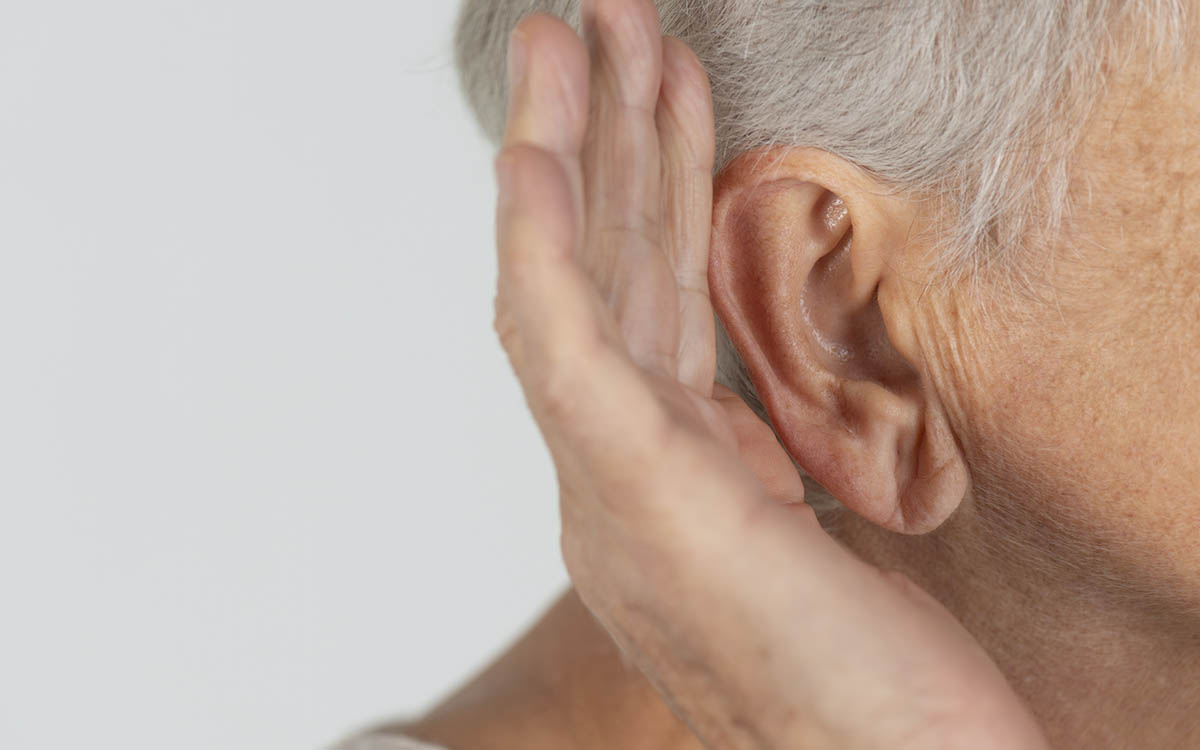
Commonly, clinicians link hearing loss to senescence, but for millions of Americans, hearing damage begins much sooner. Among the most frequent and preventable categories of auditory damage, noise-induced hearing loss frequently develops incrementally, remaining undetected until the damage is irreversible.
Comprehensive knowledge of how chronic noise exposure affects the ears is essential for implementing safeguards prior to the onset of clinical hearing loss.
Establishing the Clinical Indicators of Noise-Related Hearing Loss
This form of hearing loss is precipitated by excessive acoustic energy damaging the fragile internal structures of the auditory system. As reported by the CDC, auditory impairment may begin with chronic exposure to noise levels over 85 decibels. Louder sounds, like those from concerts, power tools, or firearms, can cause damage in minutes or even seconds.
The internal auditory system houses delicate sensory units termed hair cells. These receptors facilitate the conversion of acoustic vibrations into electrical signals decoded by the brain. Because hair cells cannot repair or replace themselves once damaged, hearing loss resulting from noise is generally a permanent physiological state.
The Advancement of Acoustic Injury
The insidious nature of noise-induced hearing loss is highlighted by its gradual developmental timeline. Early exposure may cause symptoms like:
- Transient auditory sensations such as ringing or buzzing (Tinnitus)
- Sensations of dampened or muffled auditory perception following noise exposure
- Difficulty understanding speech in noisy environments
While these preliminary indicators may dissipate, this should not be mistaken for complete physiological recovery. In reality, repeated noise exposure continues to injure inner-ear structures, steadily eroding hearing precision.
The Hearing Loss Association of America reports that approximately 48 million Americans experience some degree of hearing loss, frequently with unidentified etiology.
Recognizing Everyday Acoustic Risks to Ear Health
Modern society is characterized by high ambient noise, which frequently leads to a lack of awareness regarding sound intensity. For this reason, many people are surprised to learn how common harmful noise exposure is.
Identified hazardous sources may include:
- Venues featuring high-decibel live music
- Headphones played at high volumes
- Gas-powered lawn tools, industrial machinery, and motorcycles
- Professional exposure to high-volume noise in manufacturing and labor industries
Since these noises are integrated into daily routines, cumulative damage often occurs without immediate clinical indicators.
The Critical Role of Preventative Measures
Noise-induced hearing loss is physiologically irreversible, unlike many other health impairments. Nevertheless, it remains a highly avoidable pathology. Adopting straightforward preventative behaviors can markedly decrease the likelihood of injury, including:
- Employing earplugs or specialized earmuffs during high-decibel exposure
- Modulating audio output levels and observing 60/60 rule constraints
- Taking listening breaks to give your ears time to recover
- Scheduling regular hearing evaluations if you’re frequently exposed to loud noise
Indicators to Seek Clinical Audiology Services
The presence of chronic Tinnitus, impaired speech recognition, or altered auditory clarity warrants a professional Audiology consultation. Prompt clinical evaluation is vital for tracking auditory status and formulating effective hearing preservation plans.
Proactive ear protection in the present is essential for maintaining future auditory function. Exposure to noise is frequent, yet hearing loss can be successfully avoided through proper care. Contact our team today to schedule a consultation and make sure you’re hearing your best.